
The Crystal Merchant's Dream of Mecca
The AlchemistThe crystal merchant's lifelong desire to visit Mecca and his fear of realizing that dream, which serves as a foil to Santiago's determination.
increasing Bearing strength in each event
 decreasing
Bearing strength in each eventdecreasingThe Merchant's Routine
A Life of Stagnation
The Shop
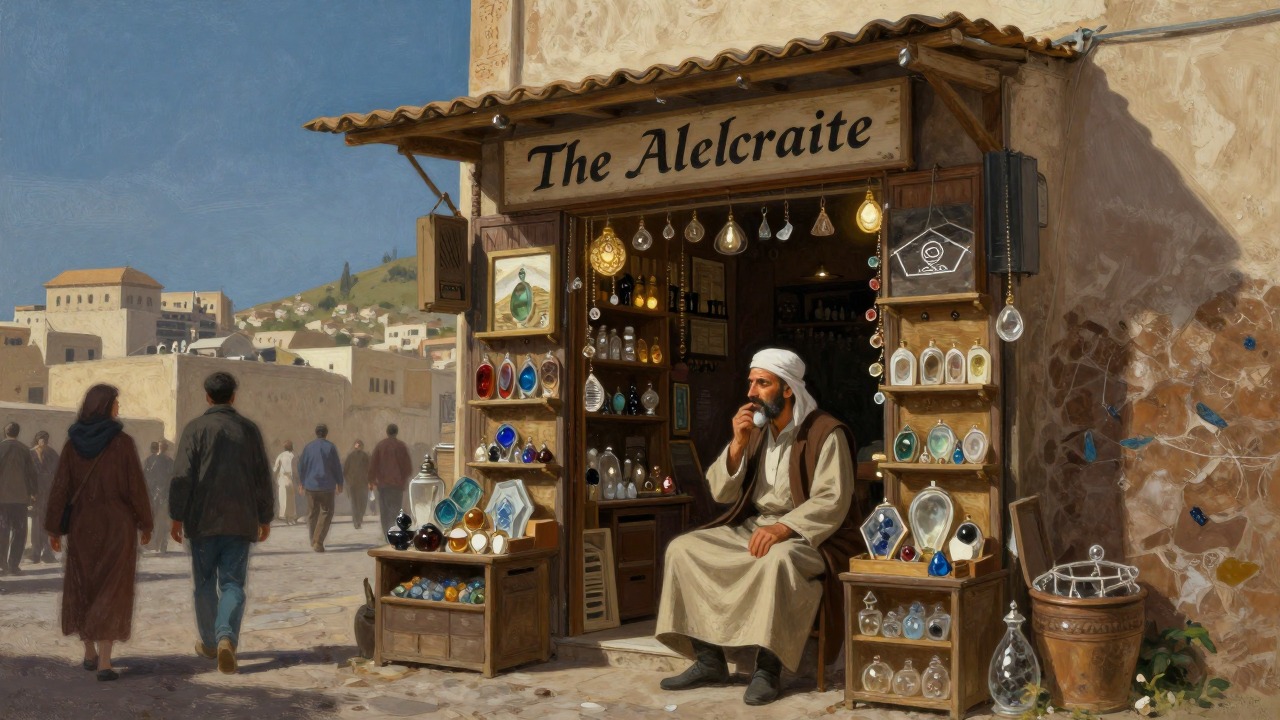
For thirty years, the crystal merchant has run a small shop on a hill in Tangier. Business has declined, and he spends his days mumbling, watching the infrequent customers.
His Dream
He has always dreamed of going to Mecca, the fifth obligation of a Muslim, but he never had the courage to leave his shop. He fears that if he realizes his dream, he will have nothing left to live for.
Character
He is a devout man but stuck in his comfort zone. His life is a cautionary tale of unfulfilled potential.
Santiago's Arrival and the Display Case
A New Idea
Cleaning the Crystal
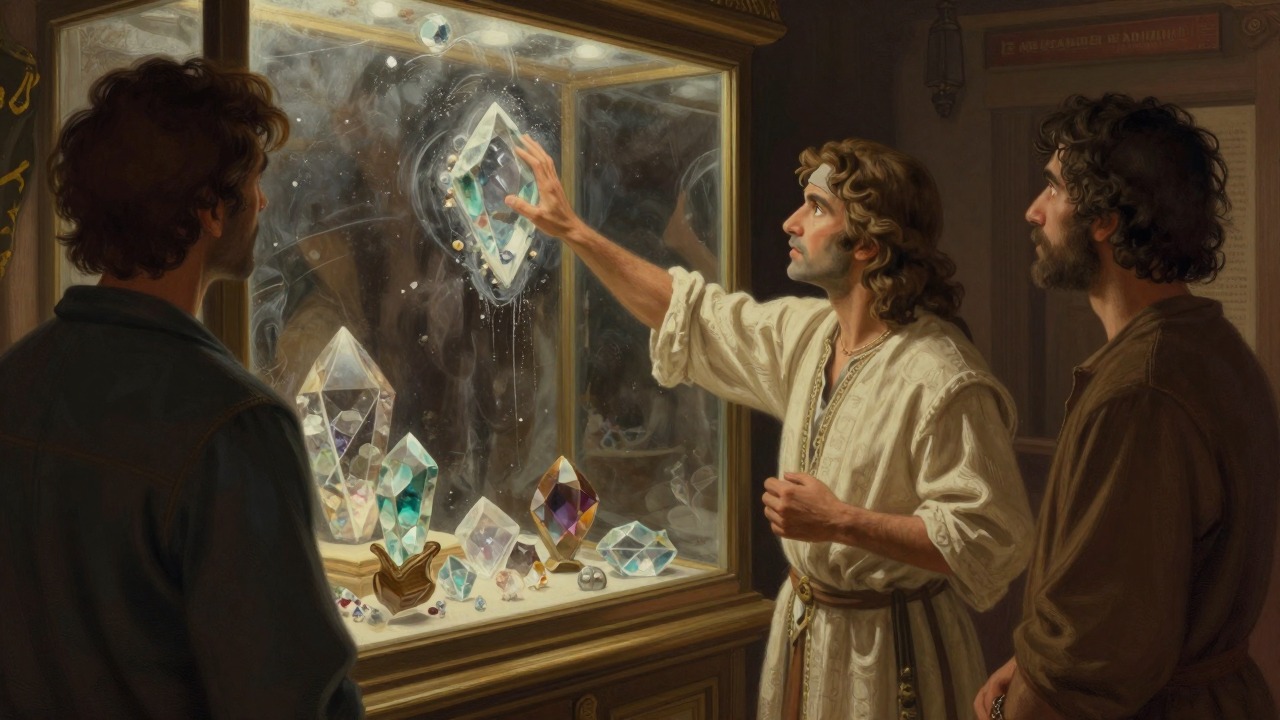
Santiago cleans the dirty window and attracts two customers. The merchant is impressed and hires him.
The Proposal
Santiago suggests building a display case outside to attract more customers. The merchant hesitates, fearing change.
Initial Resistance
The merchant argues that it might break pieces and that he is used to his way of life. Santiago's persistence slowly wears him down.
The Tea in Crystal Glasses
Expanding the Business
The Idea
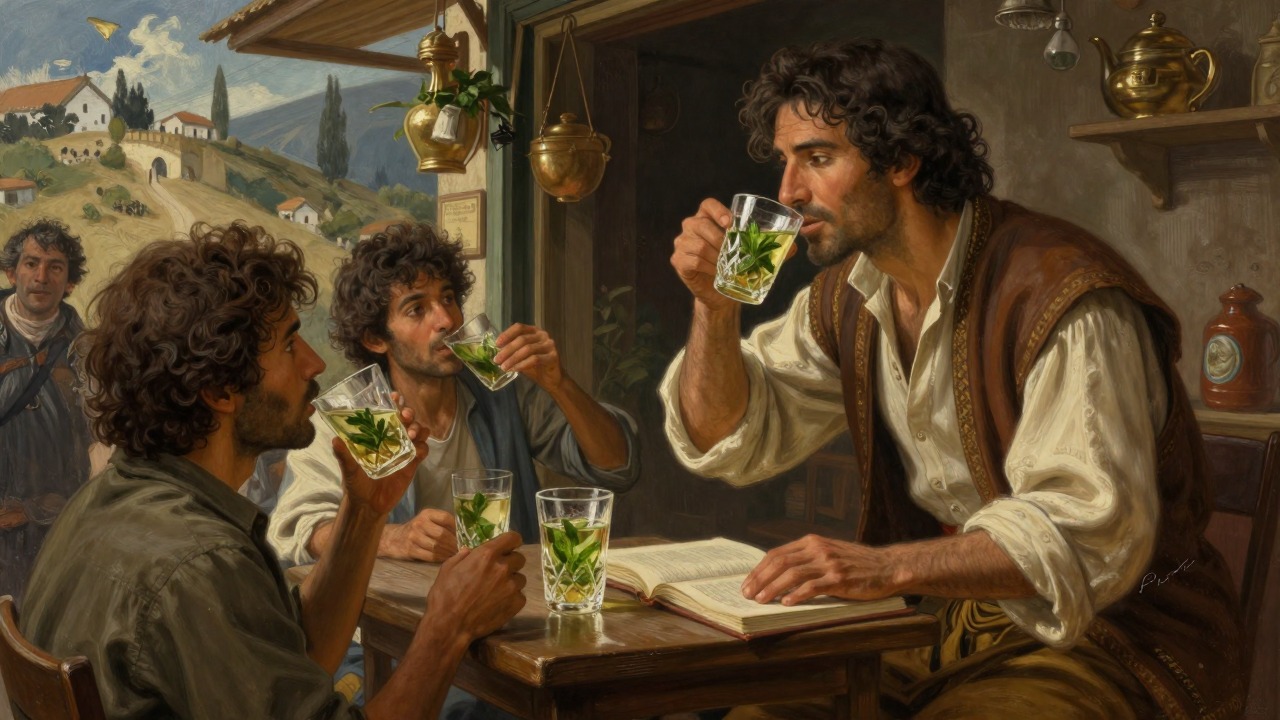
Santiago notices that people climbing the hill are thirsty and suggests selling mint tea in crystal glasses. The merchant is reluctant but eventually agrees.
Success
The tea becomes popular, and the shop thrives. The merchant hires two more employees. He begins to import tea and crystal in large quantities.
Internal Conflict
Despite the success, the merchant feels uneasy. He confesses to Santiago that every blessing ignored becomes a curse. He is forced to see the possibilities he could have had, which makes him feel worse.
Confrontation About Dreams
The Merchant's Confession
The Conversation
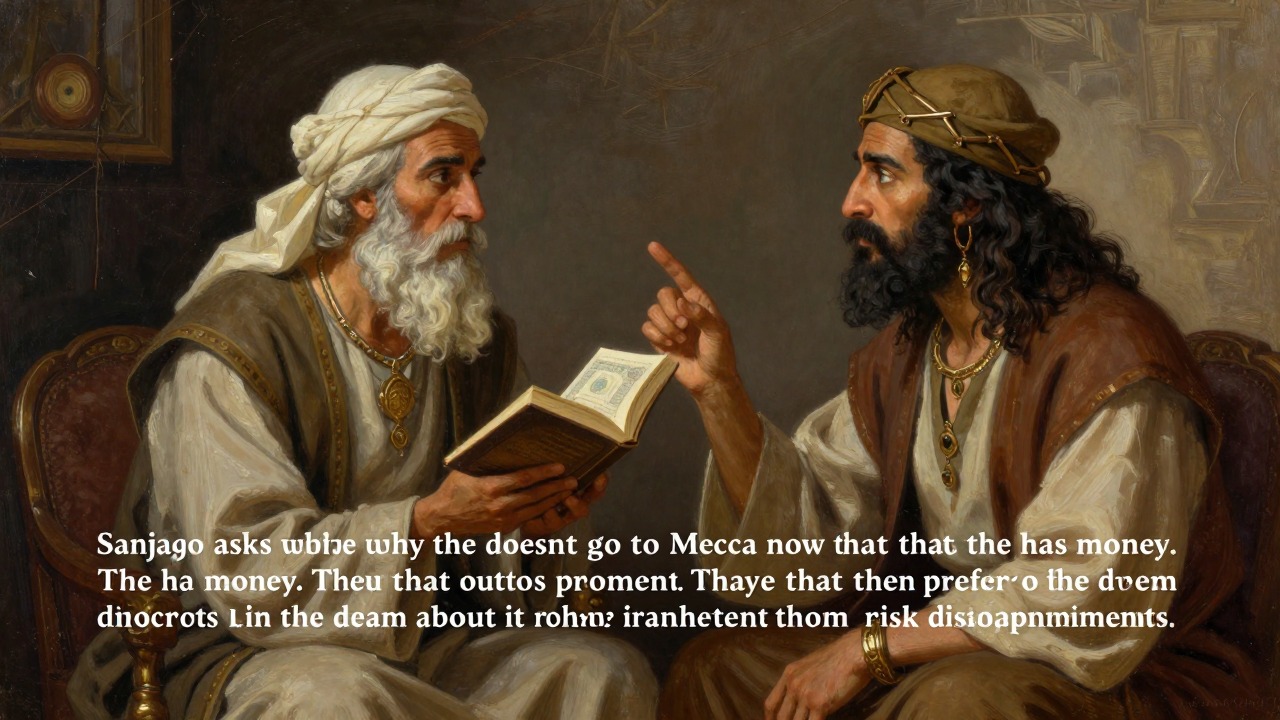
Santiago asks why the merchant doesn't go to Mecca now that he has money. The merchant explains that he prefers to dream about it rather than risk disappointment.
Maktub
The merchant uses the word "Maktub" (it is written) to express his resignation. He says he is proud of Santiago but knows he will not go to Mecca, just as he knows Santiago will not buy sheep.
Lesson for Santiago
Santiago sees the danger of becoming like the merchant. This encounter reinforces his determination to follow his own destiny.
The Merchant's Blessing
Parting Ways
The Farewell
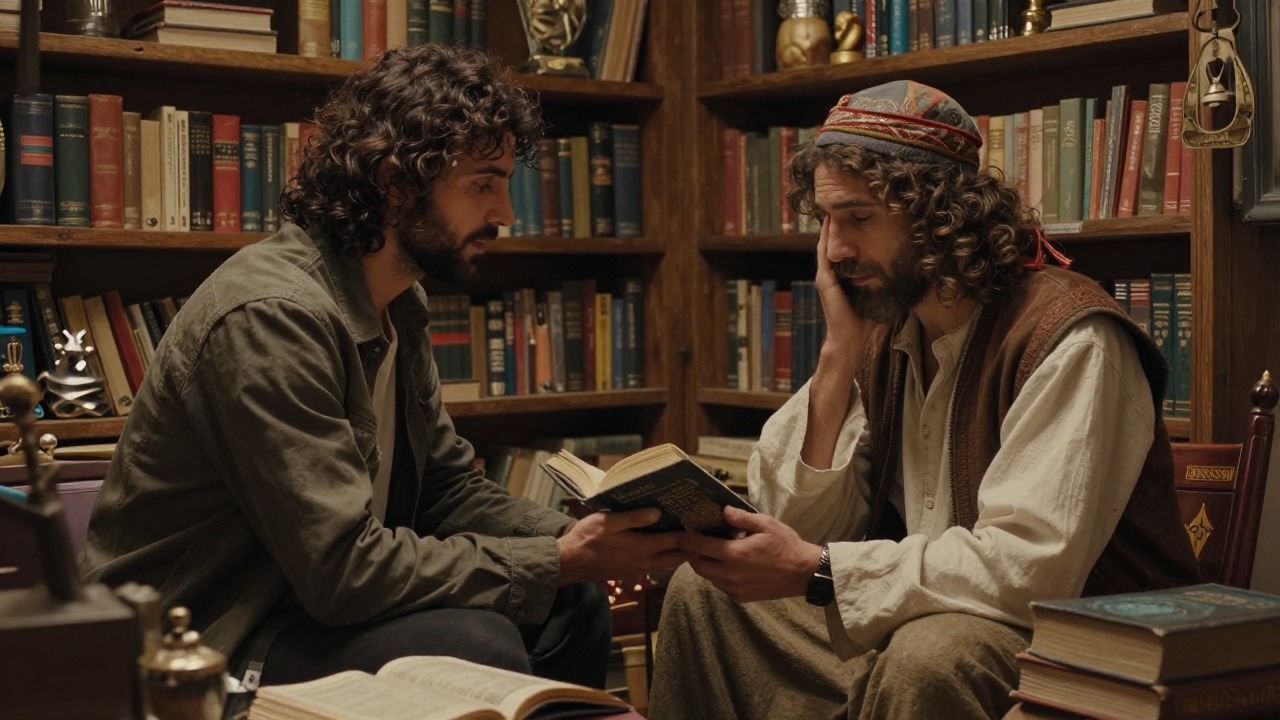
When Santiago announces he is leaving, the merchant gives him his blessing. He says he is proud of Santiago and that he brought a new feeling into the shop.
Sadness and Acceptance
The merchant is sad but accepts that he will not change. He remains in his shop, dreaming of Mecca but never going.
Symbol of Fear
His story becomes a symbol of the fear of realizing one's destiny. Santiago carries this lesson with him, understanding that true fulfillment requires action, not just dreaming.
before Santiago's arrival
first day Santiago works
a few months later
near the end of Santiago's employment
the day Santiago leaves
